
01
Food and Beverage Logistics
Industry page for food and beverage freight planning across dry, refrigerated, and frozen needs.
Review related planning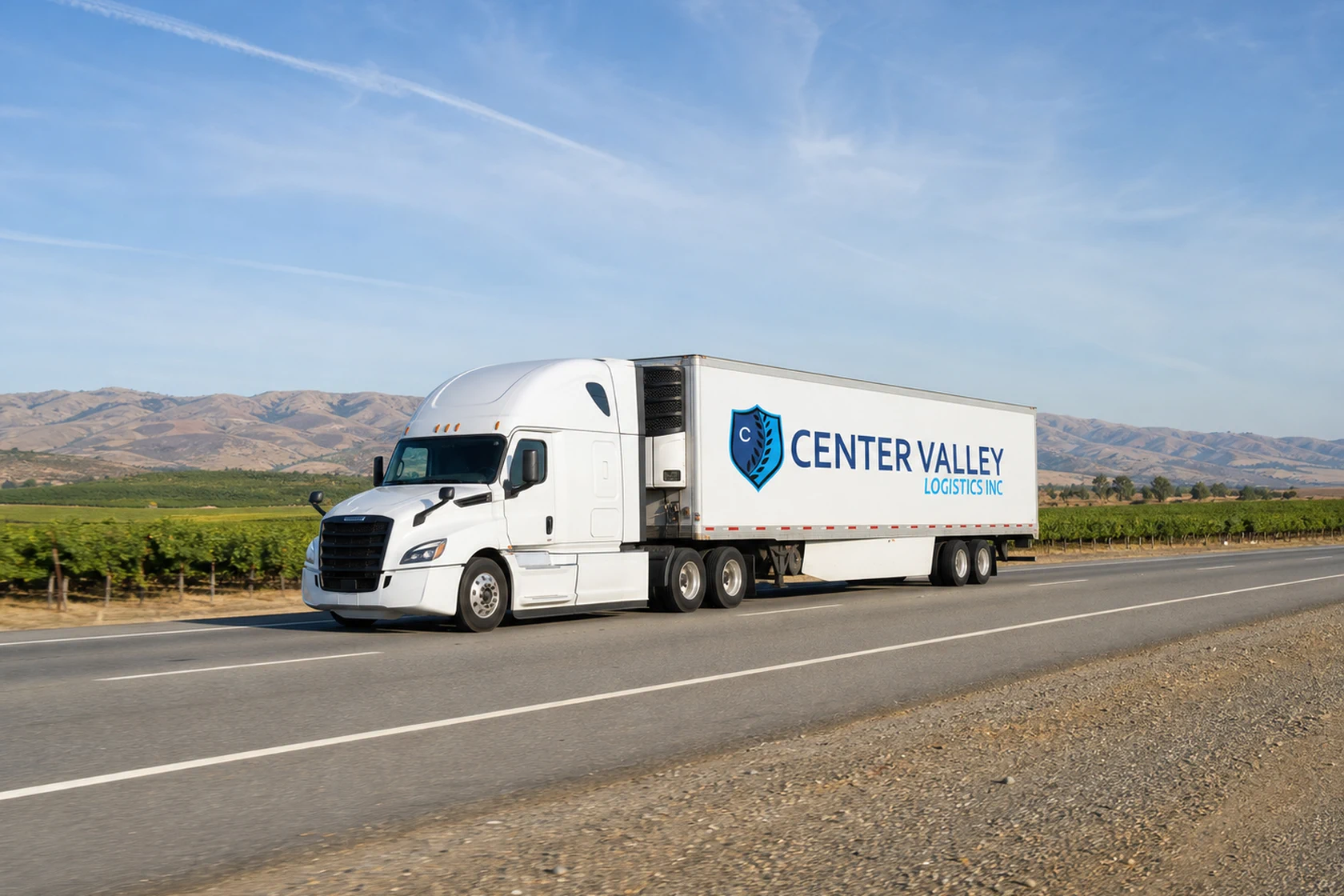
Industry freight requirements
Industry context helps identify appointment pressure, product sensitivity, documentation, equipment, handling, and communication needs. Customer relationships and facility-specific requirements are never assumed.
Planning paths
Each path leads to reviewed service and planning content instead of publishing thin industry pages with unsupported claims.
Industry page for food and beverage freight planning across dry, refrigerated, and frozen needs.
Review related planningContent should address appointment-sensitive receiver requirements and communication needs.
Review related planningFoodservice content should focus on timing, product sensitivity, and distribution complexity.
Review related planningShipper-focused produce content connecting regions, commodities, and seasonal freight planning.
Review related planningShipment-specific scope
Center Valley Logistics will evaluate the actual lane and freight profile rather than assuming every shipment in an industry moves the same way.