
01
Unclear loading condition
The transportation plan should state how the product is presented at pickup and what the shipper expects from the trailer.
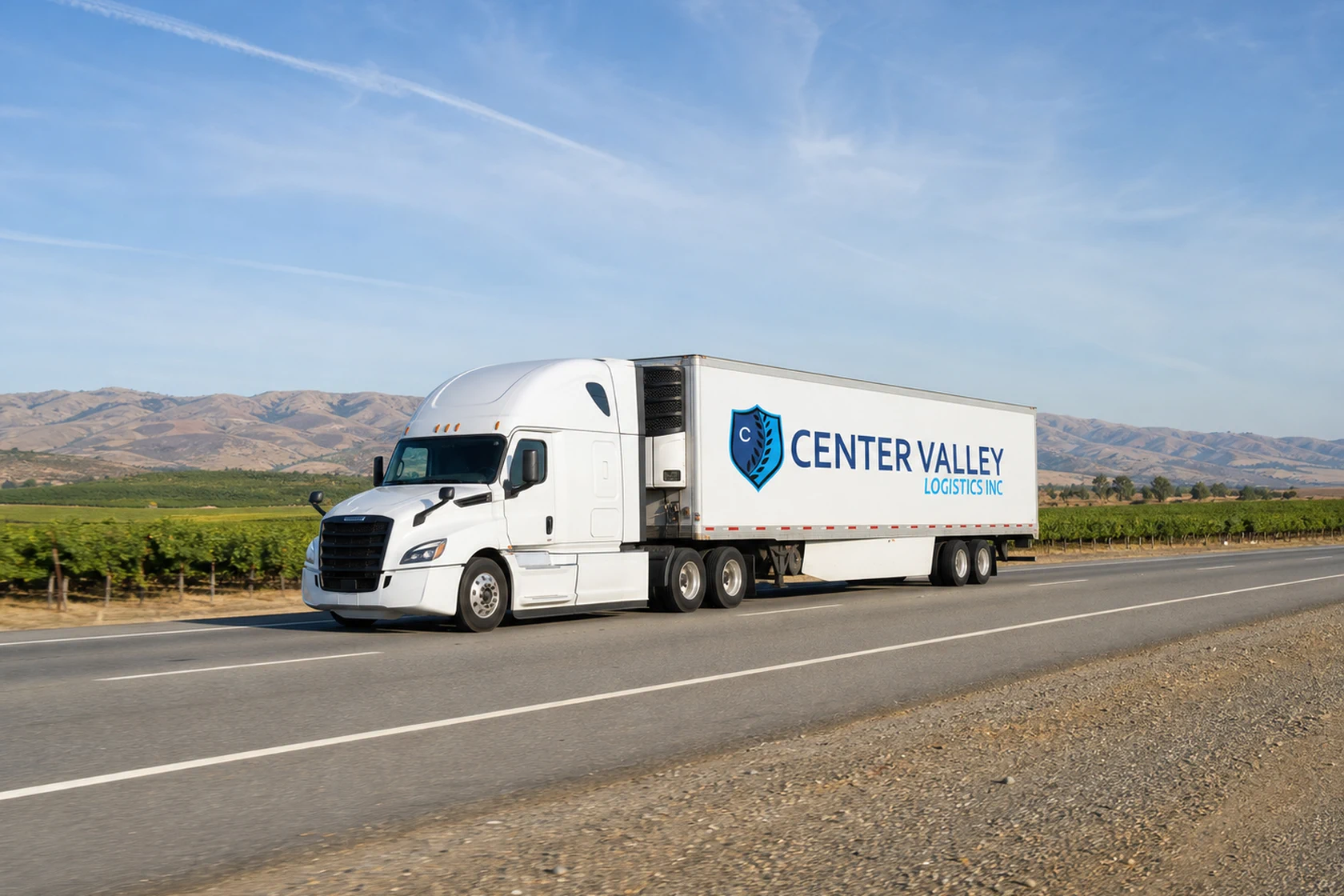
Temperature-controlled freight
Center Valley Logistics coordinates refrigerated capacity for frozen, chilled, fresh food, produce, grocery, and other temperature-sensitive shipments. The plan starts with product condition and written shipper instructions, then aligns equipment, loading, transit, appointments, and exception contacts.
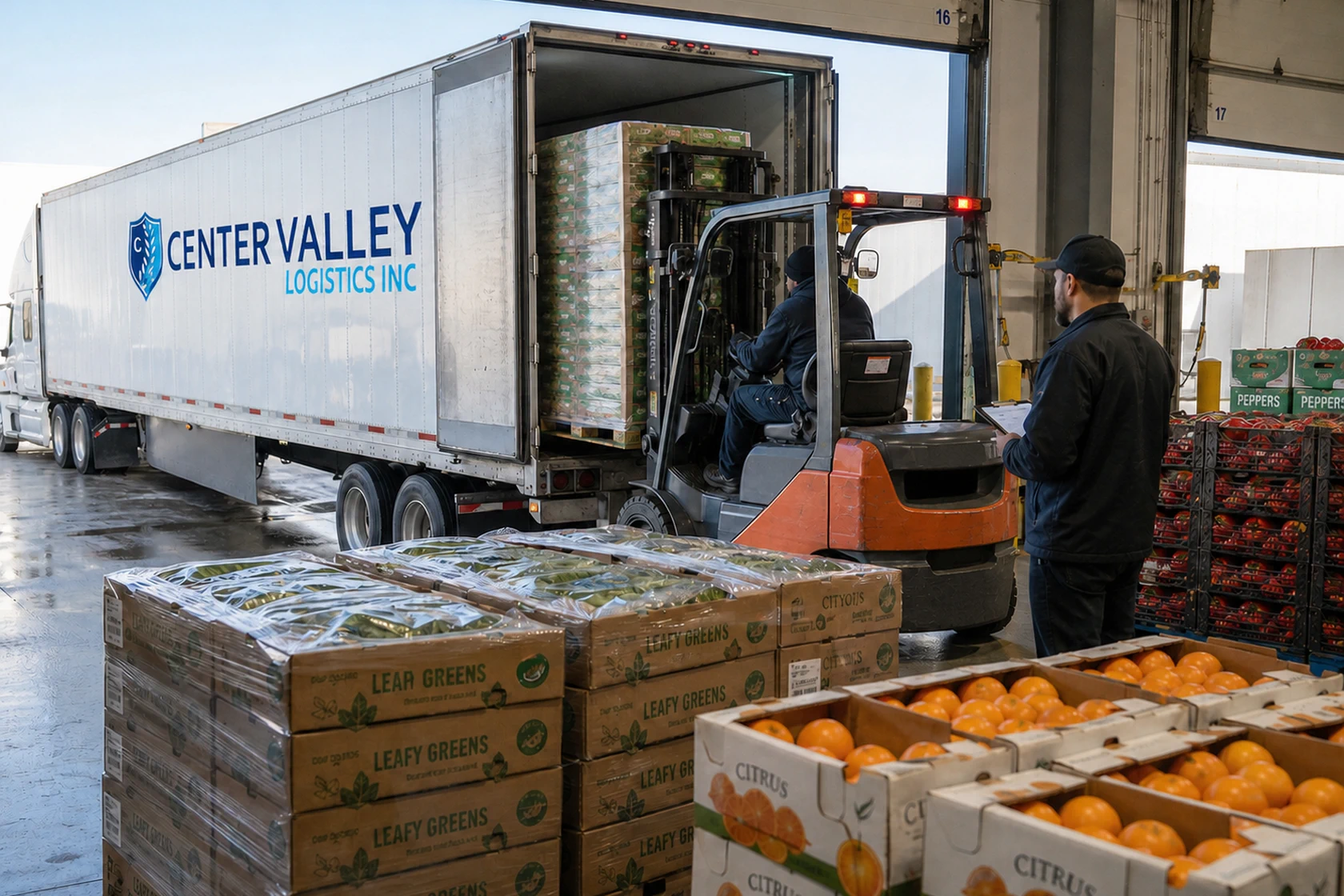
Cold chain fundamentals
A reefer can heat or cool within its operating capability, but it is not a substitute for correct product preparation, packaging, loading condition, or written instructions. Those details need to be clear before capacity is arranged.
Temperature categories
Frozen, chilled, fresh, refrigerated, controlled ambient, and dry freight describe different conditions. Using the right term helps the shipper, transportation team, loading facility, and receiver work from the same instructions.
Cold chain requirements
Reefer equipment can support multiple product conditions, but frozen, fresh, chilled, controlled ambient, and dry freight should never be used interchangeably.
Shipment setup
CVL coordinates the transportation plan from the instructions supplied for the specific product and shipment.
Identify the commodity, packaging, loading condition, product sensitivity, weight, and any compatibility concerns.
Record the requested setpoint, operating range, pre-cooling, loading, seal, and handling instructions provided by the shipper.
Evaluate reefer type, trailer condition expectations, capacity, route, transit time, and stop sequence against the load.
Confirm receiver appointment, check-in requirements, delivery references, and escalation contacts before arrival.
Cold chain risk points
Clear instructions and accountable handoffs help everyone respond faster when timing or operating conditions change.
The transportation plan should state how the product is presented at pickup and what the shipper expects from the trailer.
The setpoint and acceptable range should come from the shipper or product owner and be written into the load instructions.
If pre-cooling is required, the instruction, timing, and loading-facility expectations should be defined before arrival.
Pickup, border, transit, and receiver delays can increase exposure. Escalation contacts and decision ownership should be known.
Every stop affects door openings, timing, product compatibility, driver hours, and receiver appointments.
Appointment number, receiving hours, references, check-in process, and exception contacts belong in the plan.
Quote temperature-sensitive freight
Share the lane, dates, commodity, weight, loading condition, requested setpoint, operating range, equipment, and appointment requirements.