
California
01Salinas Produce Freight
Plan Salinas produce transportation with refrigerated equipment, pickup readiness, multi-pick routing, tracking, and receiver appointments.
Plan Salinas freight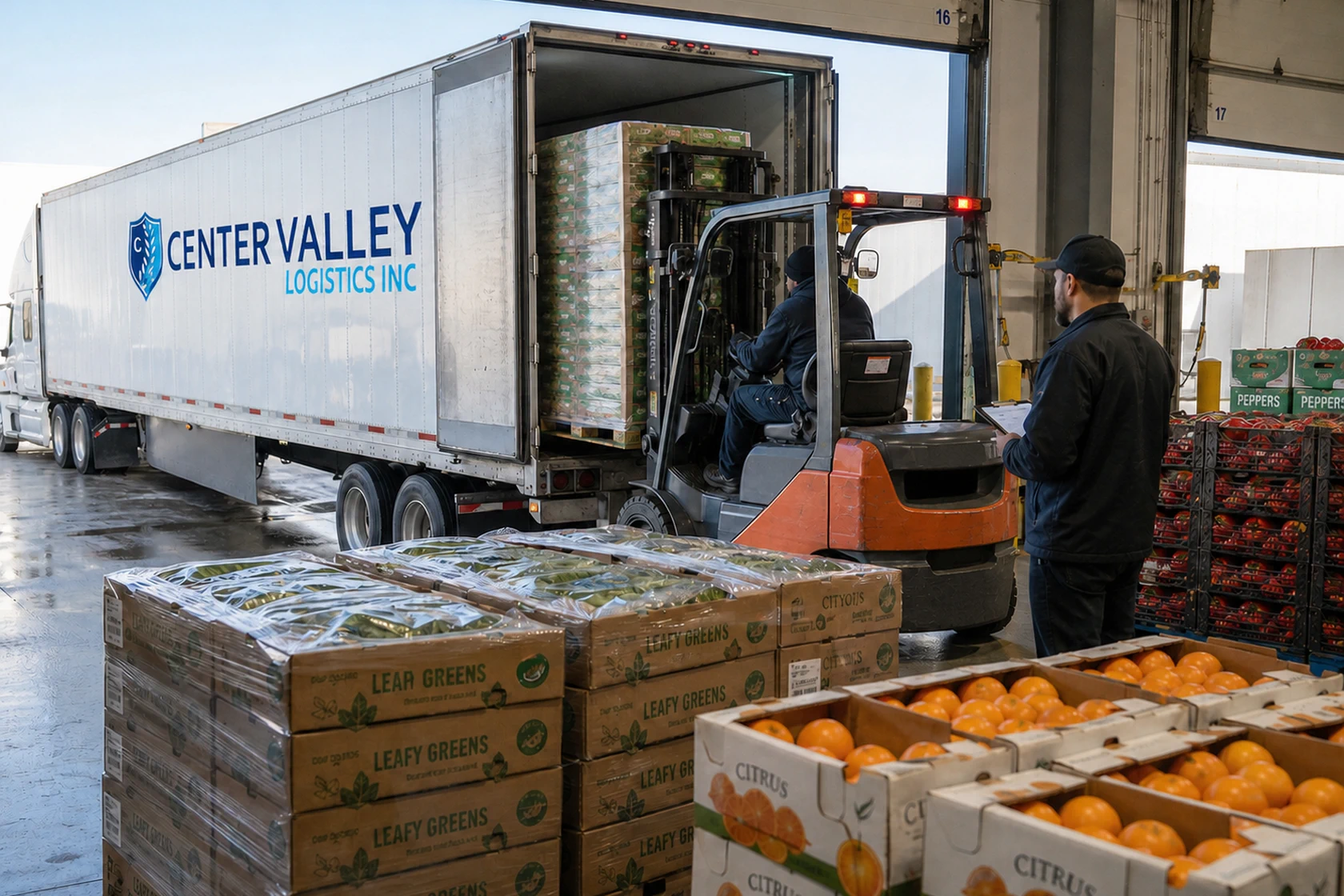
Produce region
California is not one produce origin. A Salinas leafy-greens pickup, Watsonville berry release, Oxnard or Santa Maria coastal load, Fresno or Bakersfield-area shipment, and Imperial or Coachella Valley movement can involve different commodities, facility schedules, loading conditions, seasonal timing, and outbound routes. The freight plan must begin with the exact facility and current product release.
Produce markets
Use these source-backed market guides to prepare exact facility, commodity, readiness, equipment, stops, and receiver details.
California
01Plan Salinas produce transportation with refrigerated equipment, pickup readiness, multi-pick routing, tracking, and receiver appointments.
Plan Salinas freightCalifornia
02Plan Watsonville produce transportation for berries, vegetables, refrigerated equipment, pickup releases, tracking, and receiver appointments.
Plan Watsonville freightOrigin profile
Connect origin conditions, commodity timing, equipment, and receiver requirements.
Freight fit
Salinas and Monterey County leafy greens, lettuce, broccoli, cauliflower, strawberries, and mixed produce.
Timing pressure
Confirm the exact loading facility, pickup reference, release status, hours, contact, and appointment for every stop.
Quote essentials
Lane, dates, commodity, equipment, instructions, appointments, and handoff contacts.
Overview
County and university sources document distinct California production areas rather than a single statewide season. Monterey County reports lettuce, strawberries, broccoli, and cauliflower among major crops around the Salinas Valley. Santa Cruz County documents berry, vegetable, and apple activity around Watsonville and the Pajaro Valley. Ventura, Santa Barbara, Kern, and Imperial County reports show different coastal, Central Valley, and desert crop mixes. Center Valley Logistics uses that regional context to ask better questions, then builds each transportation request from the exact origin, product release, packaging, pallets, weight, written reefer instructions, stops, destination, and receiver appointment.
Center Valley Logistics brings the lane, equipment request, freight profile, timing, facility requirements, and shipment contacts into one operating plan before capacity is confirmed.
Operating challenges
The most useful logistics work happens at the handoffs: when timing changes, instructions are incomplete, capacity is tight, or several parties need the same answer.
Common pressure points
Coordination response
Freight fit
These regional groupings help identify the questions to ask. They do not imply a facility relationship, a fixed harvest date, or automatic equipment availability.
Include this detail in the quote request so equipment, timing, and operating expectations are clear.
Include this detail in the quote request so equipment, timing, and operating expectations are clear.
Include this detail in the quote request so equipment, timing, and operating expectations are clear.
Include this detail in the quote request so equipment, timing, and operating expectations are clear.
Include this detail in the quote request so equipment, timing, and operating expectations are clear.
Timing and handoffs
Related freight
Explore related modes, produce regions, commodities, and temperature-controlled services.
Broader service and freight categories connected to this shipment type.
Freight services that may apply to this shipment profile.
Origin and destination market guides connected to this topic.
Source-backed market planning guides connected to this topic.
Commodity-specific freight guidance connected to this topic.
Temperature-controlled categories connected to this topic.
Sources and review
These references establish regional and commodity context. They do not confirm a particular load, harvest date, equipment commitment, lane, or receiver appointment.
County of Monterey Agricultural Commissioner
Crop and Livestock Reports / Economic Contributions
Santa Cruz County Agricultural Commissioner
2024 Santa Cruz County Crop Report
University of California Agriculture and Natural Resources
California strawberry production regions
County of Ventura Agricultural Commissioner
Ventura County crop and livestock reports
County of Santa Barbara Agricultural Commissioner
Crop reports and agricultural production statistics
Imperial County Agricultural Commissioner
Imperial County crop reports
Created August 7, 2026 and reviewed August 7, 2026 by Center Valley Logistics content team. Next scheduled source review: February 7, 2027.
Frequently asked questions
Final capacity, pricing, transit, and handling depend on the specific shipment profile.
California origin areas have different commodity mixes, facility schedules, seasonal patterns, and outbound routes. The exact facility, product release, pickup window, and receiver appointment are needed to evaluate the current load.
Provide every pickup and delivery, dates, commodity, packaging, pallets, weight, equipment request, written temperature instructions, stop sequence, facility contacts, and receiver appointments.
A multi-pick request can be evaluated when each facility, release window, product, pallet count, loading requirement, distance, stop sequence, and final receiver window is supplied.
No. Public agricultural reports provide regional context only. The shipper or loading facility must confirm the product, release status, pickup timing, and written shipment instructions for the individual load.
Quote a California produce load
Share every pickup and delivery, dates, commodity, packaging, pallets, weight, equipment, written reefer instructions, and appointments for a focused transportation request.