
01
Chargeable volume
LCL pricing typically uses weight or cubic measurement under the service tariff, often with minimum charges.
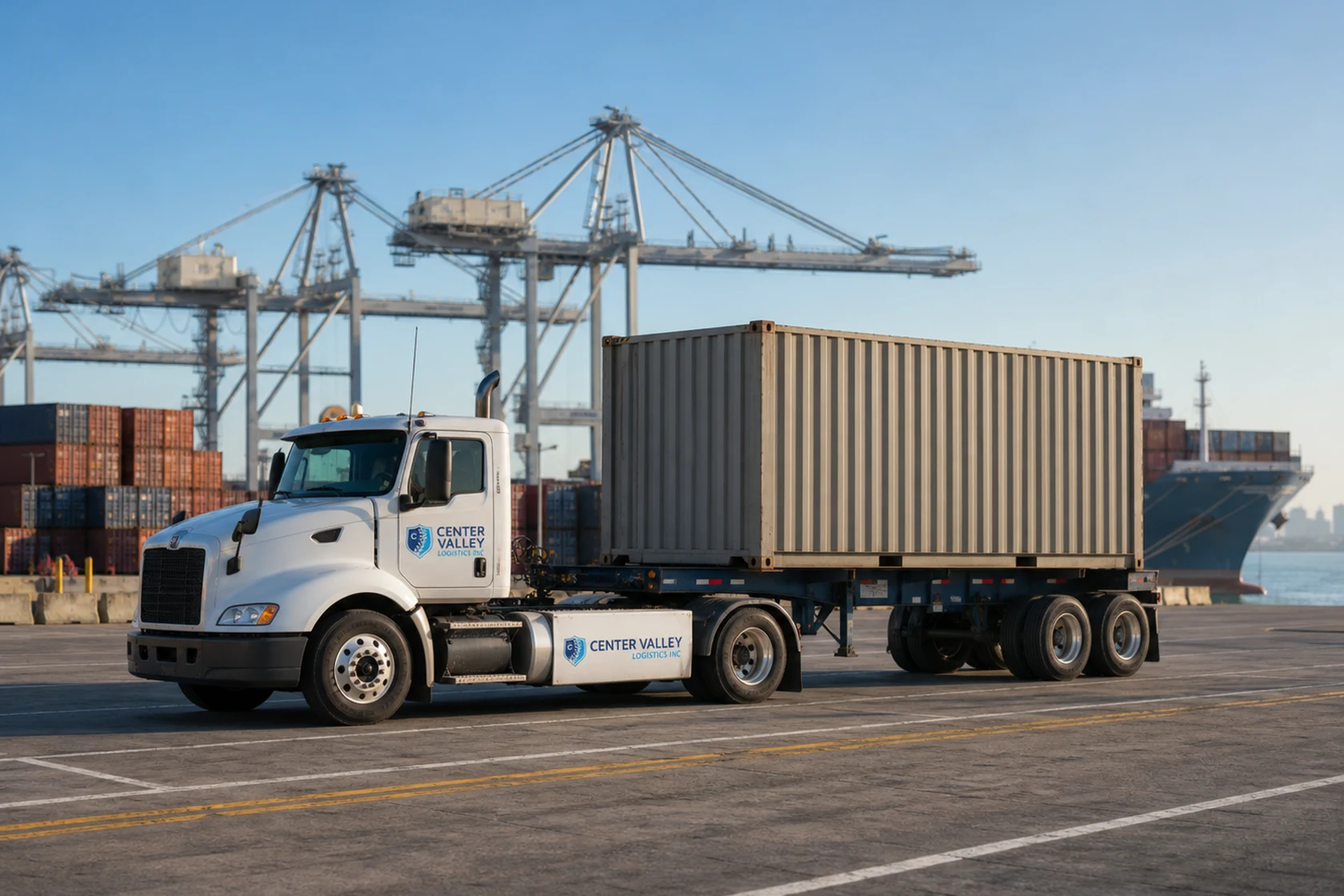
Less than container load
Less than container load service combines smaller shipments into shared container capacity. CVL helps shippers compare the operating fit, document the cargo accurately, and coordinate the container freight station and inland handoffs on both ends.
Operating model
Asset-based transportation
Headquarters
Bakersfield, California
Ocean authority
FMC-licensed NVOCC
NVOCC license
NVOCC License 033142N
Service overview
LCL can be practical when cargo does not justify a full container, but the quote and transit profile depend on chargeable volume or weight, minimum charges, consolidation schedules, and local handling. Accurate piece counts, dimensions, packaging, marks, and weights are essential before routing is evaluated.
When this service fits
What to have ready
Shipment workflow
Each milestone is confirmed against the actual booking, responsible parties, facility requirements, and requested inland services.
Document every piece, dimension, weight, package type, and stackability instruction.
Compare consolidation routing, CFS locations, cutoffs, handling profile, and inland scope.
Coordinate pickup or shipper delivery against receiving hours, references, and cargo cutoff.
Align arrival, customs-provider activity, destination charges, CFS availability, and final delivery.
Operational details
These are not fine print. They are the practical inputs that affect equipment, timing, handoffs, and total landed cost.
LCL pricing typically uses weight or cubic measurement under the service tariff, often with minimum charges.
Cargo should be packed and marked for terminal handling, consolidation, ocean movement, and deconsolidation.
CFS receiving, consolidation, deconsolidation, and destination release add handling points compared with FCL.
Connected services
Use these related pages to define container fit, import or export direction, and the inland handoffs connected to the shipment.
Compare dedicated container service with consolidated capacity.
View detailsCoordinate destination CFS, customs-provider, and final-delivery handoffs.
View detailsSend dimensions, weight, pieces, lane, dates, and service scope.
View detailsOcean freight FAQ
Final routing, schedules, equipment, charges, and local services are confirmed for the individual quote and booking.
LCL ocean charges commonly use the greater of weight or cubic measurement under the applicable service and tariff, with local charges and minimums also affecting the total. A quote should define included and excluded charges.
Provide the length, width, height, gross weight, package type, and stackability of every pallet, crate, or handling unit. Estimates can change the final charge when verified measurements differ.
Compare both when the cargo approaches container-level volume, is especially handling-sensitive, or when local charges and consolidation timing materially affect the landed cost.
Start with the shipment
For a focused ocean quote, include the Incoterm, origin, destination, cargo-ready date, commodity, packages, dimensions, weight, and inland requirements.