
01
Incoterm responsibilities
The named Incoterm and named place affect which party controls costs, documents, risk, and transportation scope.
Ocean imports
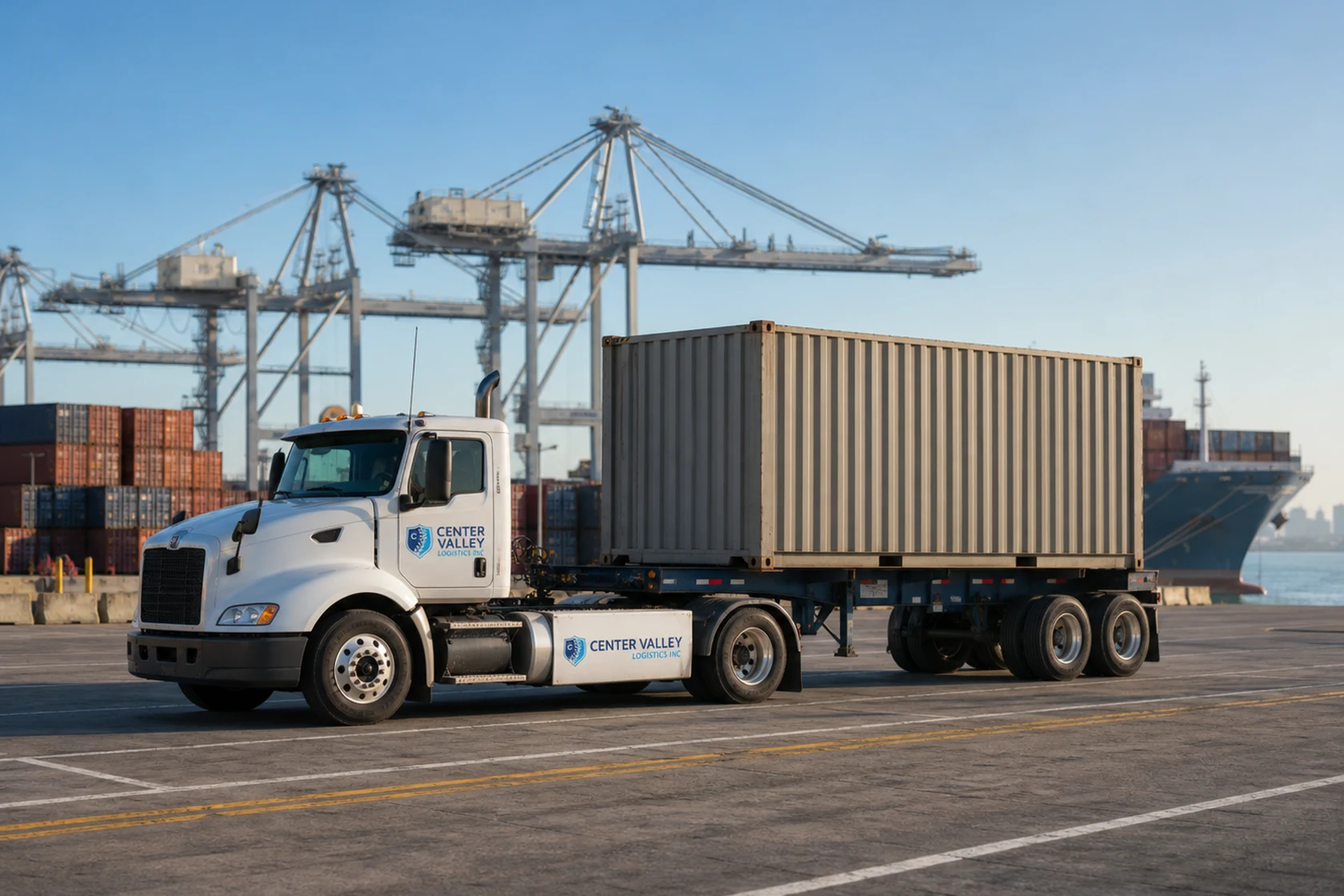
Import freight depends on decisions made before cargo leaves origin. CVL connects the commercial terms, booking, transport documents, destination requirements, customs-provider handoff, terminal or CFS availability, and inland delivery plan.
Operating model
Asset-based transportation
Headquarters
Bakersfield, California
Ocean authority
FMC-licensed NVOCC
NVOCC license
NVOCC License 033142N
Service overview
A reliable import plan defines who controls each step under the Incoterm, who provides shipment data, who handles customs entry, and how cargo will move after release. CVL coordinates the transportation scope while the licensed customs provider manages customs entry and clearance responsibilities.
When this service fits
What to have ready
Shipment workflow
Each milestone is confirmed against the actual booking, responsible parties, facility requirements, and requested inland services.
Confirm supplier readiness, Incoterm responsibilities, cargo details, pickup scope, and booking inputs.
Manage booking references, document deadlines, origin handoffs, and confirmed transport details.
Share arrival information and align the consignee, customs provider, terminal or CFS, and inland plan.
Coordinate availability, release status, drayage or final delivery, appointments, and equipment return where applicable.
Operational details
These are not fine print. They are the practical inputs that affect equipment, timing, handoffs, and total landed cost.
The named Incoterm and named place affect which party controls costs, documents, risk, and transportation scope.
Carrier, customs, terminal, CFS, and commercial releases may all be required before cargo can move inland.
Last free day, storage, demurrage, detention, chassis, appointments, and empty return need active attention after arrival.
Connected services
Use these related pages to define container fit, import or export direction, and the inland handoffs connected to the shipment.
Plan dedicated container imports and port handoffs.
View detailsPlan consolidated imports through destination CFS release.
View detailsConnect terminal availability with pickup, delivery, and empty return.
View detailsOcean freight FAQ
Final routing, schedules, equipment, charges, and local services are confirmed for the individual quote and booking.
Requirements vary, but commercial invoices, packing lists, transport documents, arrival information, and commodity-specific records are common. The importer and licensed customs provider should confirm the exact customs requirements.
The customs provider should be identified early enough to review the shipment, confirm required data and filings, and prepare for arrival. Exact deadlines depend on the cargo, origin, and entry requirements.
Yes. CVL can coordinate port or CFS pickup and inland delivery when release status, equipment, appointments, charges, and empty-return instructions are confirmed.
Start with the shipment
For a focused ocean quote, include the Incoterm, origin, destination, cargo-ready date, commodity, packages, dimensions, weight, and inland requirements.