
01
Realistic cargo readiness
A booking should allow enough time for production, packing, container loading, origin transit, and terminal receiving.
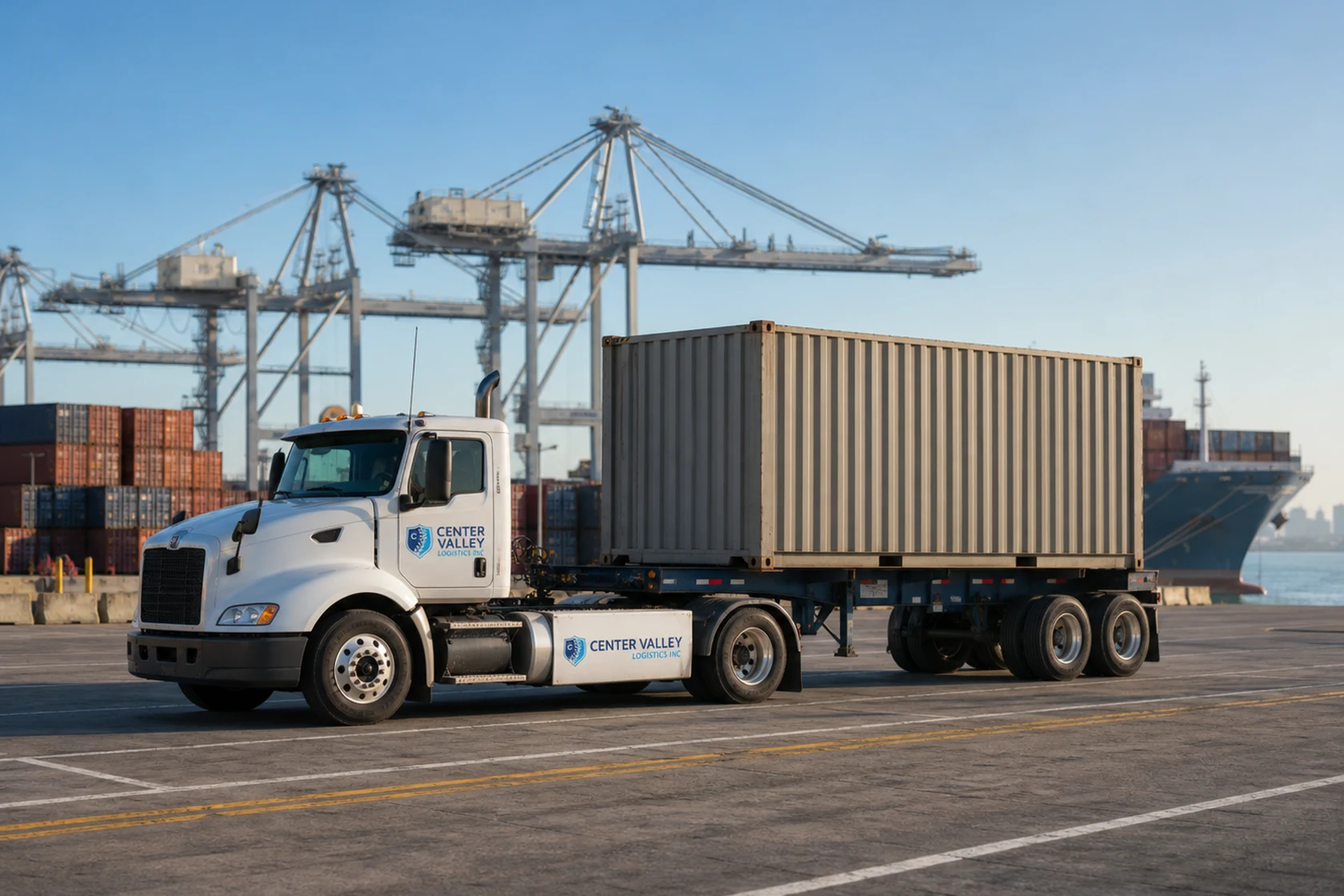
Ocean exports
Export shipments need a plan that works backward from the booked vessel and terminal deadlines. CVL coordinates FCL or LCL transportation around cargo readiness, documentation, equipment, origin pickup, port or CFS delivery, and destination scope.
Operating model
Asset-based transportation
Headquarters
Bakersfield, California
Ocean authority
FMC-licensed NVOCC
NVOCC license
NVOCC License 033142N
Service overview
The requested sailing is only one part of an export move. Container availability, loading, verified gross mass inputs, documentation, terminal receiving, carrier cutoffs, and inland transit must align. CVL confirms the transportation scope and coordinates the milestones tied to the booking.
When this service fits
What to have ready
Shipment workflow
Each milestone is confirmed against the actual booking, responsible parties, facility requirements, and requested inland services.
Validate the cargo-ready date, package data, loading plan, Incoterm, and responsible parties.
Evaluate routing and align the booking, equipment request, origin pickup, and sailing inputs.
Coordinate documents, verified gross mass inputs, cargo delivery, terminal receiving, and booking references.
Share transport information and align the requested destination and inland handoffs with the named parties.
Operational details
These are not fine print. They are the practical inputs that affect equipment, timing, handoffs, and total landed cost.
A booking should allow enough time for production, packing, container loading, origin transit, and terminal receiving.
The exporter and its authorized filing party should confirm Electronic Export Information and other regulatory obligations.
Names, addresses, cargo descriptions, package counts, weights, references, and instructions should align across shipment records.
Connected services
Use these related pages to define container fit, import or export direction, and the inland handoffs connected to the shipment.
Review CVL's verified FMC ocean authority.
View detailsCoordinate container selection, loading, and terminal delivery.
View detailsCoordinate smaller export cargo through an origin CFS.
View detailsOcean freight FAQ
Final routing, schedules, equipment, charges, and local services are confirmed for the individual quote and booking.
The cargo cutoff is the deadline for delivering export cargo to the terminal or container freight station for the booked movement. Documentation and verified gross mass deadlines may be separate and should also be confirmed.
The U.S. Principal Party in Interest and its authorized filing party should determine whether Electronic Export Information is required and who will file it. CVL coordinates transportation data with the identified parties.
Yes, when included in the confirmed scope. The plan should define the container release, pickup location, loading appointment, free time, chassis needs, terminal cutoff, and loaded-return requirements.
Start with the shipment
For a focused ocean quote, include the Incoterm, origin, destination, cargo-ready date, commodity, packages, dimensions, weight, and inland requirements.