
01
Container fit
Weight distribution, interior dimensions, door clearance, loading method, and local road limits can affect equipment selection.
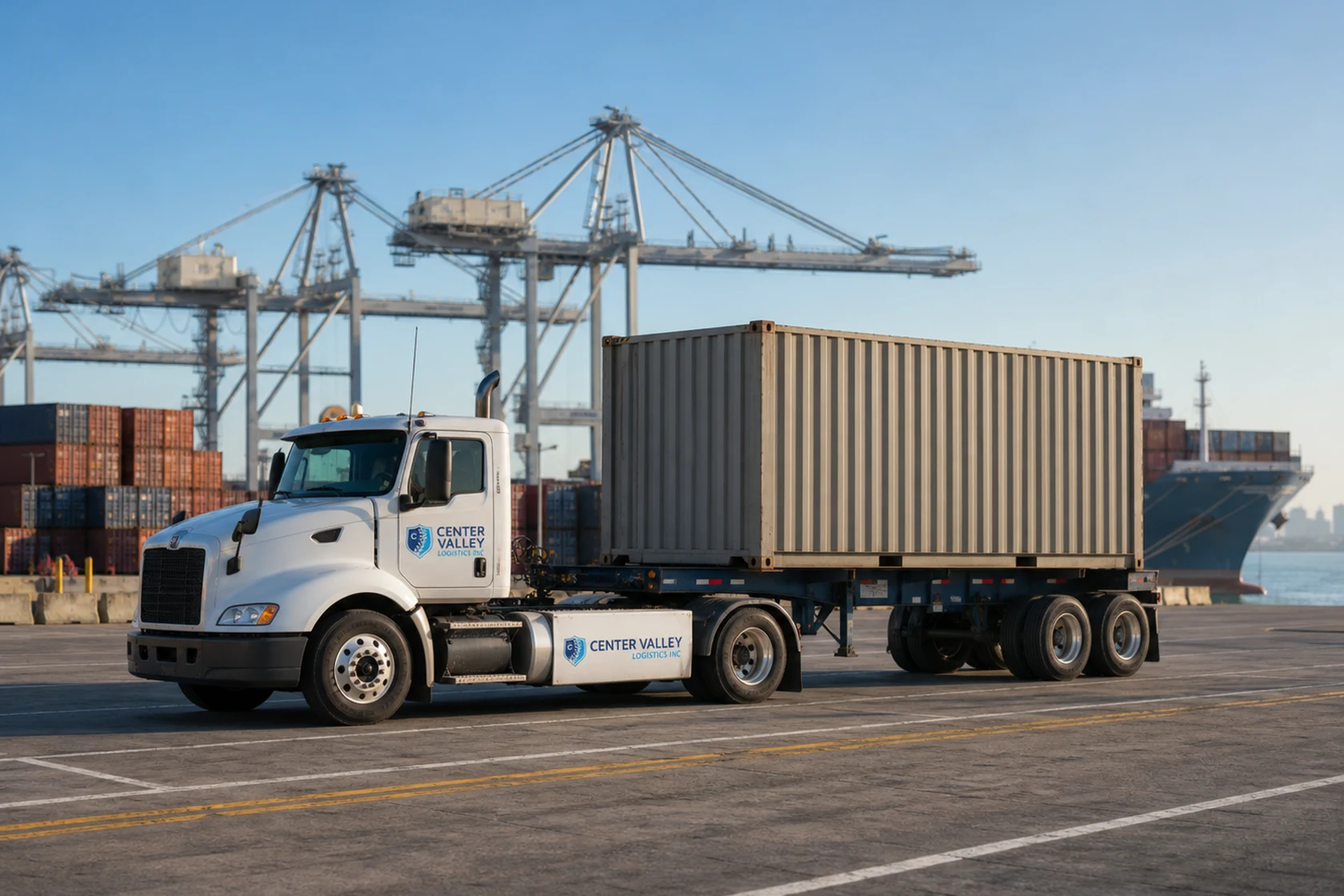
Full container load
Full container load service gives one shipper use of the container for the booked movement. CVL coordinates the commercial and operating details that shape an FCL shipment, from cargo readiness and equipment through terminal cutoffs and inland delivery.
Operating model
Asset-based transportation
Headquarters
Bakersfield, California
Ocean authority
FMC-licensed NVOCC
NVOCC license
NVOCC License 033142N
Service overview
FCL can fit larger shipment volumes, freight that benefits from reduced consolidation handling, or cargo that requires a dedicated container plan. Equipment and space remain subject to carrier availability. A strong booking starts with accurate cargo data, realistic dates, clear loading responsibilities, and a plan for both ends of the ocean movement.
When this service fits
What to have ready
Shipment workflow
Each milestone is confirmed against the actual booking, responsible parties, facility requirements, and requested inland services.
Confirm volume, weight, loading method, special handling, and the container type requested.
Evaluate origin, port pair, sailing inputs, terminal requirements, and inland scope.
Coordinate booking confirmation, document deadlines, verified gross mass inputs, and terminal delivery timing.
Align arrival, customs-provider status, terminal availability, drayage, empty return, and final delivery.
Operational details
These are not fine print. They are the practical inputs that affect equipment, timing, handoffs, and total landed cost.
Weight distribution, interior dimensions, door clearance, loading method, and local road limits can affect equipment selection.
Documentation, cargo, terminal, and verified gross mass deadlines may differ and should be confirmed for the booking.
Detention, demurrage, storage, chassis, pre-pull, and waiting time depend on the terminal, carrier, and actual shipment events.
Connected services
Use these related pages to define container fit, import or export direction, and the inland handoffs connected to the shipment.
Understand CVL's verified FMC ocean authority.
View detailsPrepare destination handoffs from arrival through inland delivery.
View detailsPlan cargo readiness, cutoffs, documentation, and port delivery.
View detailsOcean freight FAQ
Final routing, schedules, equipment, charges, and local services are confirmed for the individual quote and booking.
Common requests include 20-foot, 40-foot, and 40-foot high-cube dry containers. Refrigerated, open-top, flat-rack, and other equipment may be evaluated when the cargo requires it and equipment is available.
FCL reduces consolidation handling, but the container still moves through terminals, vessel operations, inspections when required, and inland handoffs. Routing and transshipment details depend on the booked service.
Provide the origin, destination, Incoterm, container request, commodity, package count, dimensions, weight, cargo-ready date, special handling, and requested inland scope.
Start with the shipment
For a focused ocean quote, include the Incoterm, origin, destination, cargo-ready date, commodity, packages, dimensions, weight, and inland requirements.