
01
Multi-pick produce
Stop sequence should account for readiness, product compatibility, pallet placement, miles, operating hours, and the final receiver window.
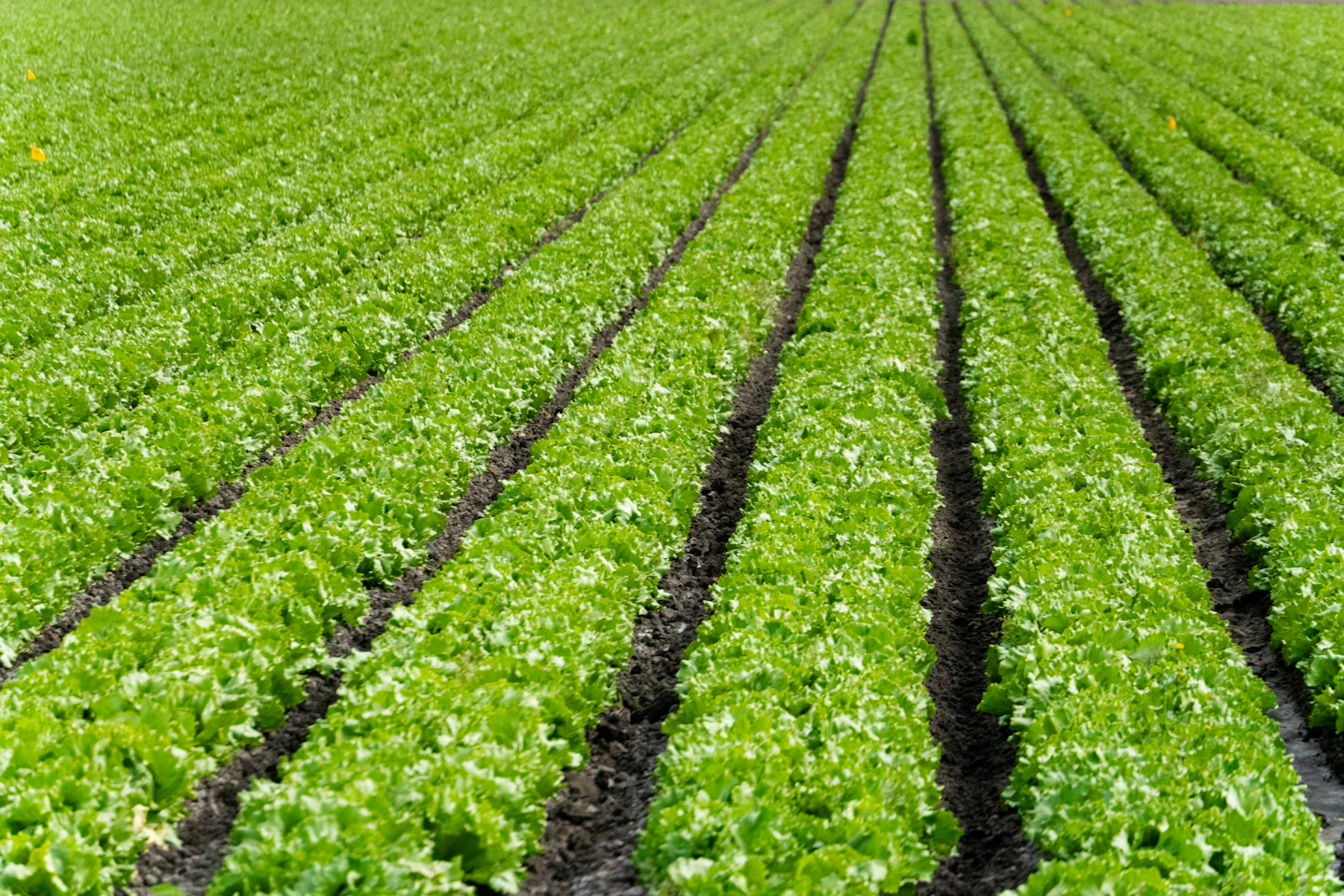
Salinas produce freight
For produce loading in or around Salinas, a useful freight plan connects the exact facility, commodity, packaging, pallet count, loading readiness, reefer instructions, stop sequence, and destination appointment.
Market context
USDA research identifies the Salinas Valley as a major U.S. lettuce-producing region. That regional importance does not replace load-level planning: each quote still needs the real origin facility, ready time, product profile, loading requirements, destination, and receiver rules.
Seasonal planning
USDA Economic Research Service describes a broad seasonal shift in lettuce production from the Yuma and Imperial desert areas during winter toward Central California in the warmer part of the year. The University of Arizona also documents a Salinas–Watsonville and western Arizona rotation. Use these sources as regional context, then confirm the actual load instead of assuming a fixed calendar.
Shipment intake
Regional context helps frame the questions. The actual pickup, commodity, equipment, stops, timing, and receiver rules determine the shipment plan.
Name the loading facility, pickup reference, hours, ready status, appointment, and any check-in or staging instructions.
Provide commodity, variety when relevant, packaging, pallet count, gross weight, loading condition, and shipper-provided handling instructions.
Define equipment, stop order, requested setpoint or other written reefer instructions, transit constraints, and exception contacts.
Confirm the destination appointment, delivery references, check-in process, accessorial expectations, and receiving contact.
Planning factors
Use the current load information rather than assumptions based on the market name or season.
Stop sequence should account for readiness, product compatibility, pallet placement, miles, operating hours, and the final receiver window.
A quote should distinguish a requested pickup date from confirmed product and facility readiness.
Temperature, pre-cooling, ventilation, and product-condition requirements must come from the shipper or product owner for the specific load.
Transit expectations need to be evaluated against the actual pickup time, stop plan, hours of service, and receiver appointment.
Pickup changes, stop completion, in-transit updates, and delivery exceptions should follow the communication plan agreed for the load.
Continue planning
These resources explain the next layer of the shipment plan.
Review the parent-state planning context for California origins.
Explore CaliforniaPrepare berry, vegetable, pickup, and receiver details for a Watsonville-area load.
Plan Watsonville freightConnect lettuce packaging, loading condition, reefer instructions, and receiver timing.
Review lettuce freightPrepare the commodity, packaging, timing, and reefer details for leafy-greens shipments.
Review leafy greensPrepare the current product, pallet, loading, and refrigerated transportation details.
Review broccoli freightDocument cauliflower pickup readiness, equipment instructions, stops, and delivery timing.
Review cauliflower freightPlan strawberry shipments around current product condition, packaging, timing, and receiver rules.
Review strawberry freightDefine the refrigerated equipment, written instructions, and appointment requirements.
Review reefer freightUse current origin and market conditions instead of a fixed calendar assumption.
Review seasonalityOrganize facilities, readiness, pallets, reefer instructions, stop order, and appointments privately.
Build a stop planSources and review
Reviewed August 6, 2026 by Center Valley Logistics content team. Next scheduled source review: February 6, 2027. Sources provide regional context and do not confirm a specific load, harvest date, equipment assignment, or pickup time.
USDA Economic Research Service
U.S. lettuce production shifts regionally by seasonUSDA Agricultural Research Service
Salinas Valley lettuce research project, FY 2025County of Monterey Agricultural Commissioner
Crop and Livestock Reports / Economic ContributionsFrequently asked questions
Final capacity, pricing, transit, and handling depend on the specific shipment profile.
Provide the exact origin facility, commodity, packaging, pallet count, weight, ready date and time, equipment, written reefer instructions, stop sequence, destination, and receiver appointment.
No. Regional seasonality is planning context only. Product availability, loading readiness, pickup timing, and shipment instructions must be confirmed for the individual load.
A multi-pick request can be evaluated when each facility, ready window, commodity, pallet count, loading requirement, and stop sequence is supplied.
Confirm who should receive pickup, stop-completion, in-transit, delay, and delivery updates. The communication cadence should be agreed from the actual shipment requirements.
Quote the current load
Share the exact origin, destination, ready window, commodity, packaging, pallets, weight, equipment, written reefer instructions, stops, and receiver appointment.