
01
Berry release timing
Use confirmed product and facility readiness because a regional harvest period does not establish when a specific order can load.
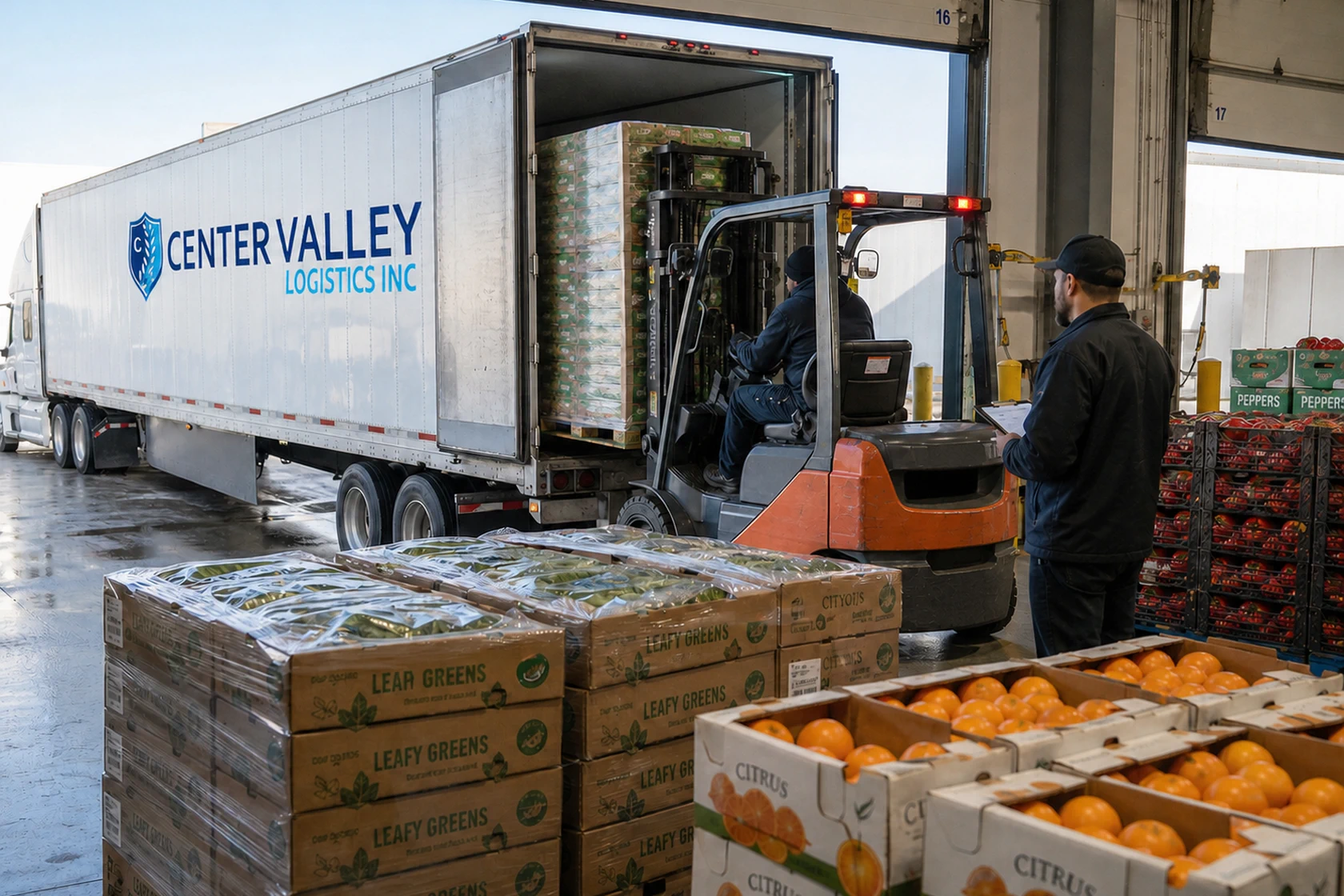
Watsonville produce freight
Watsonville-area produce transportation starts with the actual shed or loading facility, product release, packaging, pallet count, shipper-provided reefer instructions, pickup sequence, destination, and receiver appointment. Those details matter more than a general regional calendar.
Market context
The Santa Cruz County Agricultural Commissioner reports berries, vegetables, and apples among the county agricultural categories and identifies strawberry and caneberry activity around Watsonville and the Pajaro Valley. A regional crop profile helps frame the questions, but it does not confirm a specific product release, loading time, equipment assignment, or delivery plan.
Seasonal planning
UC Agriculture and Natural Resources identifies Watsonville and Salinas within California’s Central Coast strawberry production region, while the county crop report documents a broader berry, vegetable, and apple mix. Product timing differs by crop, field, packer, weather, and order. Confirm the current facility release, product condition, packaging, reefer instructions, and receiver requirements instead of treating a published season as a pickup guarantee.
Shipment intake
Regional context helps frame the questions. The actual pickup, commodity, equipment, stops, timing, and receiver rules determine the shipment plan.
Provide the exact facility, pickup number, loading contact, release status, hours, appointment, and check-in instructions.
Record the berry, vegetable, apple, or other commodity, packaging, pallets, gross weight, loading condition, and handling notes.
Supply the equipment request, written temperature instructions, pickup sequence, pallet placement needs, and exception contacts.
Confirm delivery references, appointment time, check-in rules, unloading expectations, and the requested update cadence.
Planning factors
Use the current load information rather than assumptions based on the market name or season.
Use confirmed product and facility readiness because a regional harvest period does not establish when a specific order can load.
Cases, pallets, gross weight, and loading pattern affect equipment fit, stop planning, and the information needed for a quote.
Watsonville-area and nearby pickups should be sequenced around facility hours, release status, product compatibility, and receiver timing.
Temperature, pre-cooling, ventilation, and continuous-operation requirements must come from the shipper or product owner for the load.
Set expectations for pickup, stop-completion, in-transit, delay, and delivery communication before transportation begins.
Continue planning
These resources explain the next layer of the shipment plan.
Compare Watsonville planning with other California origin regions.
Explore CaliforniaPrepare leafy-green, vegetable, multi-pick, and receiver details for a Salinas load.
Plan Salinas freightDocument strawberry packaging, loading condition, reefer instructions, timing, and receiver rules.
Review strawberry freightPrepare the product, packaging, equipment, timing, and appointment details for berry shipments.
Review berry freightDefine the refrigerated equipment and written operating instructions for the current load.
Review reefer freightOrganize multiple facilities, releases, pallets, stop order, and receiver timing.
Build a stop planSources and review
Reviewed August 7, 2026 by Center Valley Logistics content team. Next scheduled source review: February 7, 2027. Sources provide regional context and do not confirm a specific load, harvest date, equipment assignment, or pickup time.
Santa Cruz County Agricultural Commissioner
2024 Santa Cruz County Crop ReportUniversity of California Agriculture and Natural Resources
California strawberry production regionsUSDA Natural Resources Conservation Service
Watsonville soil series and agricultural useFrequently asked questions
Final capacity, pricing, transit, and handling depend on the specific shipment profile.
Provide the exact facility, product, packaging, pallet count, weight, release time, equipment, written reefer instructions, pickup sequence, destination, and receiver appointment.
No. The report provides regional agricultural context. The shipper or loading facility must confirm the product release, pickup appointment, loading condition, and shipment instructions.
A multi-pick request can be evaluated when every facility, release window, product, pallet count, loading requirement, stop sequence, and delivery appointment is supplied.
Quote the current load
Share the exact origin, destination, ready window, commodity, packaging, pallets, weight, equipment, written reefer instructions, stops, and receiver appointment.