
01
Seasonal capacity pressure
Complete shipment details make equipment and timing discussions more useful when regional demand changes.
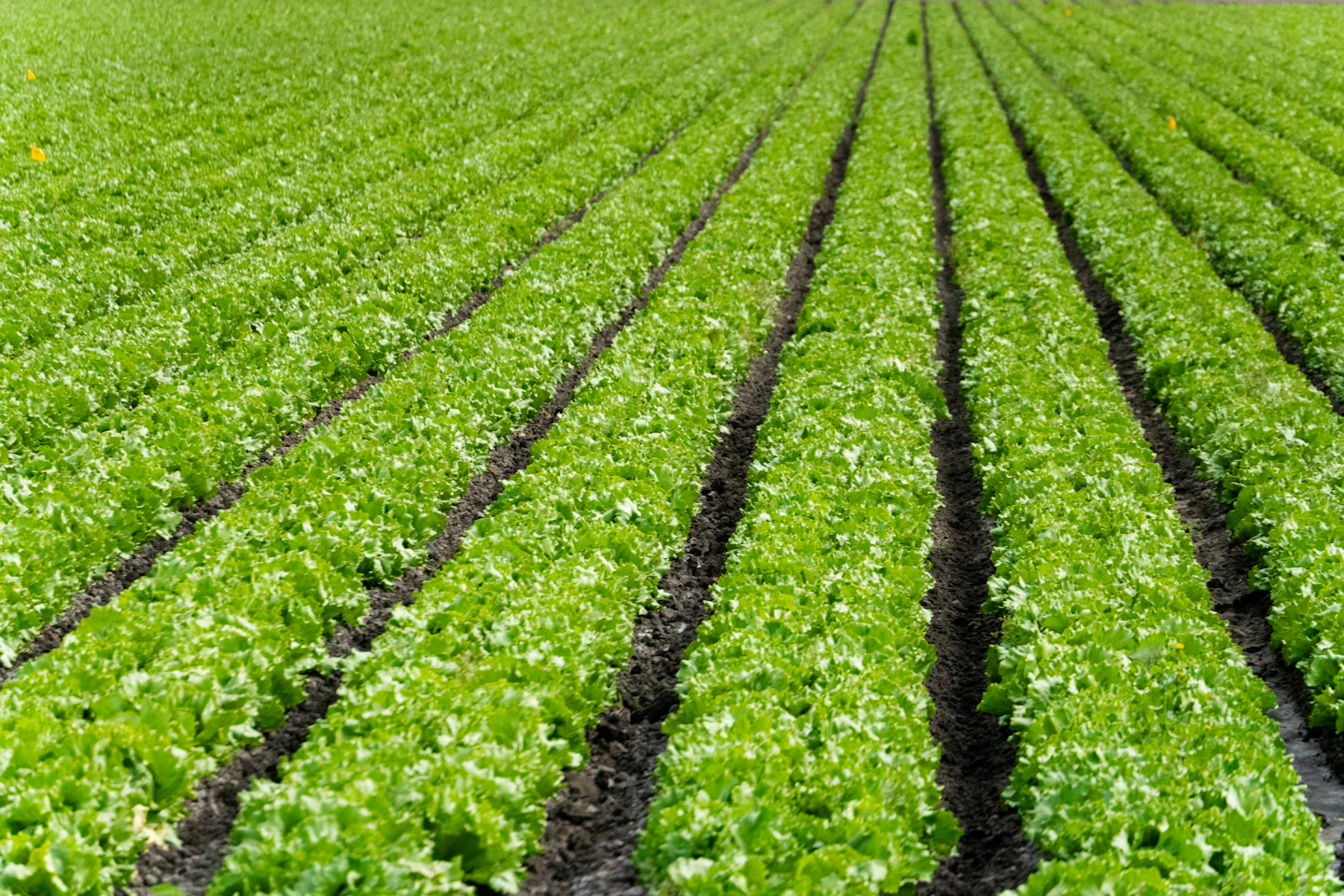
Yuma produce freight
For produce loading in Yuma County, the shipment plan should identify the exact facility, commodity, packaging, pallet count, ready window, reefer instructions, stop sequence, and delivery appointment before the move is evaluated.
Market context
University of Arizona Cooperative Extension documents Yuma County as a specialized producer of winter vegetables, including lettuces, celery, cauliflower, broccoli, spinach, and cabbage. A regional commodity list is not a load confirmation; the quote still depends on the exact product, origin, ready status, equipment, destination, and receiver requirements.
Seasonal planning
USDA Economic Research Service reports that lettuce supply generally shifts toward the Imperial and Yuma desert areas from mid-November through early April and toward Central California from late April through mid-November. Those broad periods can guide questions, but weather, crop conditions, facility schedules, and individual readiness still control the actual shipment plan.
Shipment intake
Regional context helps frame the questions. The actual pickup, commodity, equipment, stops, timing, and receiver rules determine the shipment plan.
Provide the exact Yuma-area facility, pickup reference, hours, ready window, appointment, and loading contact.
Record the product, packaging, pallet count, gross weight, loading condition, and written handling requirements.
Supply the equipment request, shipper-provided temperature instructions, pickup sequence, and any border or facility handoffs.
Use the receiver appointment, check-in rules, references, and transit requirements to evaluate the pickup and stop plan.
Planning factors
Use the current load information rather than assumptions based on the market name or season.
Complete shipment details make equipment and timing discussions more useful when regional demand changes.
Leafy greens, other winter vegetables, and melons should not be treated as one product profile.
Facility hours, readiness, compatibility, pallet placement, and distance between pickups can change the operating plan.
The delivery appointment should be tested against actual pickup completion, stops, transit, and check-in requirements.
Agree on pickup, stop-completion, in-transit, exception, and delivery updates so communication follows the current load plan.
Continue planning
These resources explain the next layer of the shipment plan.
Review the parent-state planning context for Arizona origins.
Explore ArizonaConnect lettuce packaging, loading condition, reefer instructions, and receiver timing.
Review lettuce freightPrepare product, packaging, reefer, and receiver requirements for leafy-greens shipments.
Review leafy greensPrepare current product, pallet, loading, equipment, and delivery details for broccoli.
Review broccoli freightDocument current pickup readiness, reefer instructions, stops, and receiver timing.
Review cauliflower freightDefine refrigerated equipment and shipper-provided temperature instructions.
Review reefer freightConnect Yuma and California origin context to the current ready date.
Review seasonalityBuild a private pickup sequence summary before sharing the shipment details.
Build a stop planSources and review
Reviewed August 6, 2026 by Center Valley Logistics content team. Next scheduled source review: February 6, 2027. Sources provide regional context and do not confirm a specific load, harvest date, equipment assignment, or pickup time.
University of Arizona Cooperative Extension
Economic Contribution of Yuma County AgricultureUSDA Economic Research Service
U.S. lettuce production shifts regionally by seasonFrequently asked questions
Final capacity, pricing, transit, and handling depend on the specific shipment profile.
Provide the exact pickup facility, commodity, packaging, pallet count, weight, ready window, equipment, written reefer instructions, stops, destination, and receiver appointment.
University of Arizona Cooperative Extension identifies lettuces, celery, cauliflower, broccoli, spinach, and cabbage among Yuma County winter vegetables. Confirm the exact commodity and load requirements before quoting.
No. Regional seasonality provides context only. Equipment, capacity, pickup timing, and delivery feasibility depend on the current shipment details.
Confirm who should receive pickup, stop-completion, in-transit, delay, and delivery updates. The communication plan should reflect the load and receiver requirements.
Quote the current load
Share the exact origin, destination, ready window, commodity, packaging, pallets, weight, equipment, written reefer instructions, stops, and receiver appointment.