
01
Handoff ownership
Assign customs, inspection, transfer, pickup, and delivery contacts to the appropriate part of the movement.
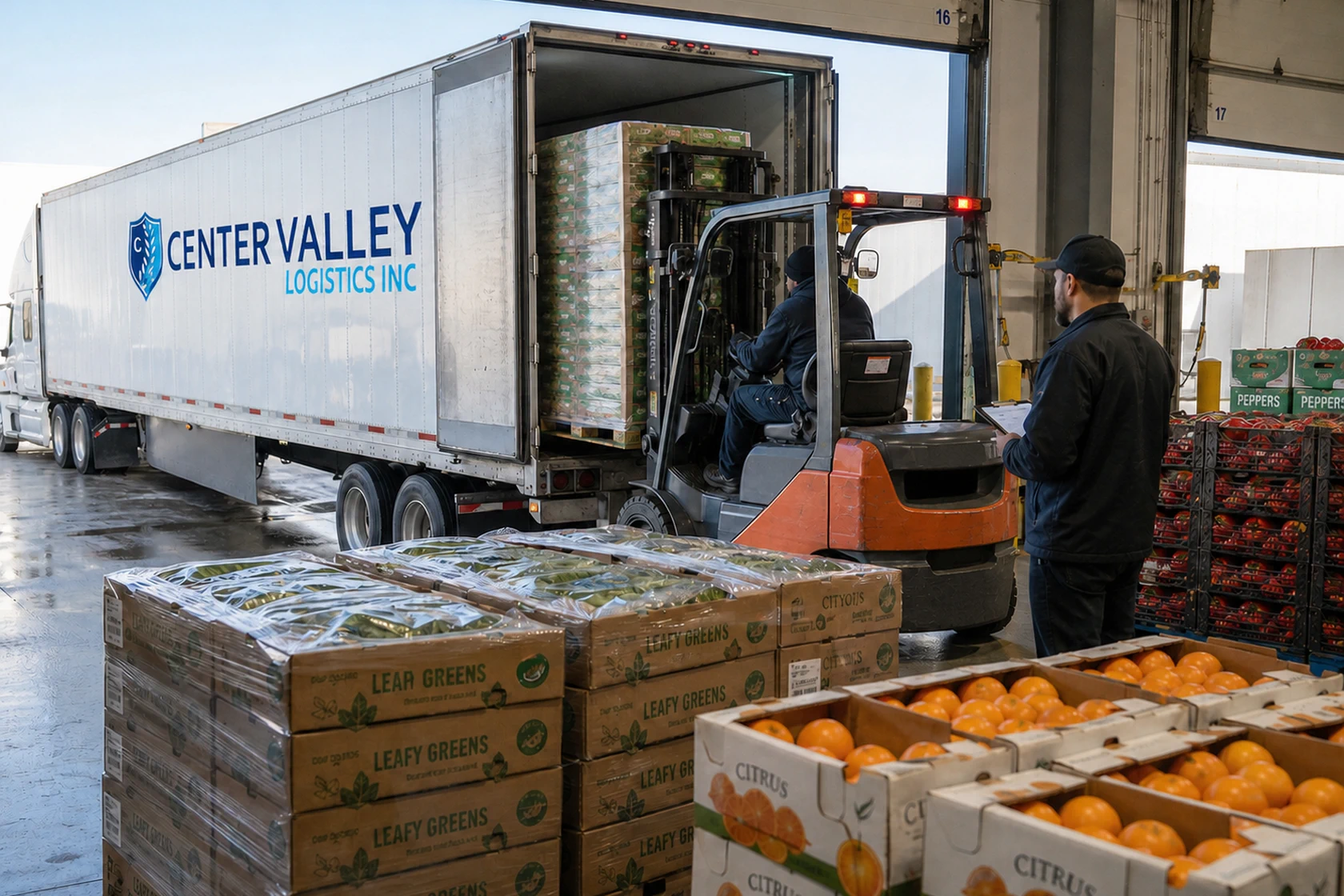
McAllen produce freight
A McAllen-area produce request should make the domestic transportation scope easy to identify. Name the shipping facility, whether the product is domestic or imported, the responsible release contact, commodity, packaging, pallets, weight, loading condition, written equipment instructions, pickup references, destination, and receiving window.
Market context
Lower Rio Grande Valley agricultural sources document citrus and a broad vegetable profile, but regional context cannot identify a specific McAllen shipment. For cross-border product, the request must also distinguish customs, inspection, transfer, domestic release, and transportation responsibilities. Clear ownership prevents a crossing estimate from being mistaken for a loading appointment.
Seasonal planning
Regional vegetable and citrus activity can influence freight demand, while imported-product timing depends on separate border and facility events. Confirm which event has occurred, which event is pending, and who owns the next decision. Capacity and receiver timing should be evaluated from a credible domestic release, named pickup facility, complete product profile, and written shipment instructions.
Shipment intake
Regional context helps frame the questions. The actual pickup, commodity, equipment, stops, timing, and receiver rules determine the shipment plan.
Name the exact McAllen-area pickup, responsible shipping contact, operating hours, appointment, references, and current ready status.
Provide commodity, variety when relevant, packaging, pallets, gross weight, loading condition, and shipper-supplied handling instructions.
State the requested equipment, written temperature or ventilation instructions, all pickups, and the approved sequence.
Confirm the destination appointment, check-in rules, references, unload expectations, and exception contacts.
Planning factors
Use the current load information rather than assumptions based on the market name or season.
Assign customs, inspection, transfer, pickup, and delivery contacts to the appropriate part of the movement.
Use the actual McAllen-area address, operating hours, release status, and pickup references.
List each commodity, pack, pallet count, loading condition, and compatibility instruction.
If release changes, reassess transit and communicate the delivery effect to the responsible receiver contact.
Continue planning
These resources explain the next layer of the shipment plan.
Review the parent-region context connected to McAllen shipments.
Explore South TexasPrepare the product, pack, condition, equipment, and timing details for citrus freight.
Review citrus freightPrepare the product, pack, condition, equipment, and timing details for onion freight.
Review onion freightPrepare the product, pack, condition, equipment, and timing details for lettuce freight.
Review lettuce freightDefine written equipment instructions, loading condition, transit, and receiver requirements.
Review reefer freightOrganize facilities, readiness, pallets, stop order, and appointments before requesting transportation.
Build a stop planSources and review
Reviewed August 6, 2026 by Center Valley Logistics content team. Next scheduled source review: February 6, 2027. Sources provide regional context and do not confirm a specific load, harvest date, equipment assignment, or pickup time.
Texas A&M AgriLife Extension
Vegetable crops of the Lower Rio Grande ValleyTexas Water Resources Institute
Lower Rio Grande Valley citrus contextFrequently asked questions
Final capacity, pricing, transit, and handling depend on the specific shipment profile.
Provide the exact facility, ready window, commodity and pack, pallets, weight, loading condition, equipment instructions, stops, destination, and receiver appointment.
No. Regional context helps with planning, but the responsible facility must confirm the product, release status, loading appointment, references, and current shipment instructions.
A multi-pick request can be evaluated when every facility, ready window, commodity, pallet count, weight, instruction set, and stop sequence is supplied.
Quote the current load
Share the exact origin, destination, ready window, commodity, packaging, pallets, weight, equipment, written reefer instructions, stops, and receiver appointment.