
01
Packing-facility release
The appointment should reflect the actual packout and release status rather than a requested ship date alone.
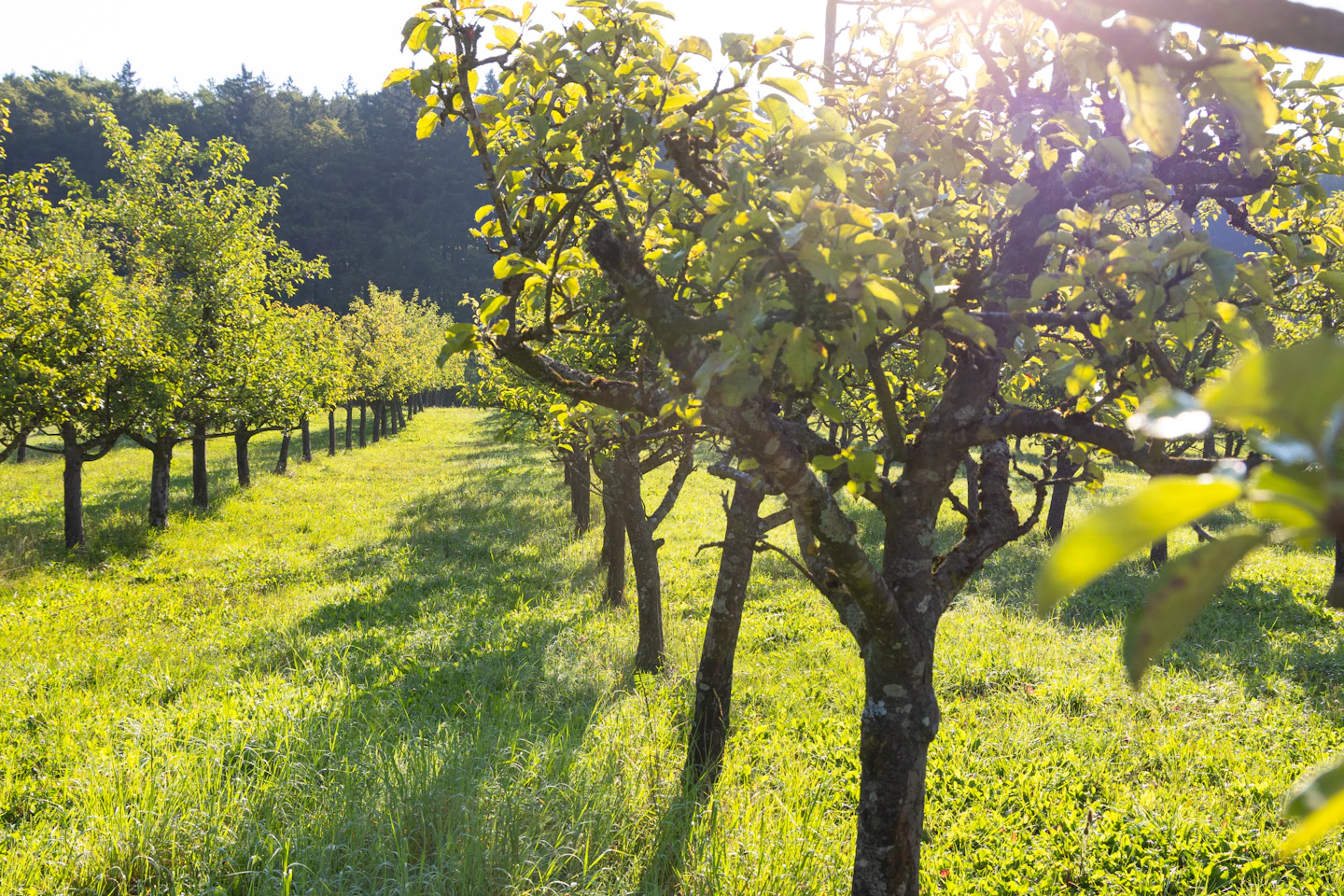
Yakima produce freight
Yakima-area tree-fruit loads often begin with a packing or storage release rather than a simple field pickup. The transportation request should identify the exact facility, commodity and variety when relevant, pack, pallet count, gross weight, release status, trailer instructions, destination, and receiving window.
Market context
Washington State University describes Washington as a leading U.S. producer of apples, sweet cherries, and pears, while the state agriculture department maintains a southern fruit-inspection region in Yakima. Those facts explain the market context; they do not replace the load-level facility, inspection, release, packaging, equipment, and appointment details needed to plan transportation.
Seasonal planning
Short cherry windows can place more pressure on packout and appointment timing, while apples and pears may move through storage and packing programs over a different horizon. Treat each release as current information: confirm the facility appointment, inspection or shipping references, product condition, trailer instructions, last pickup time, and receiver window before the operating plan is finalized.
Shipment intake
Regional context helps frame the questions. The actual pickup, commodity, equipment, stops, timing, and receiver rules determine the shipment plan.
Name the exact Yakima-area pickup, responsible shipping contact, operating hours, appointment, references, and current ready status.
Provide commodity, variety when relevant, packaging, pallets, gross weight, loading condition, and shipper-supplied handling instructions.
State the requested equipment, written temperature or ventilation instructions, all pickups, and the approved sequence.
Confirm the destination appointment, check-in rules, references, unload expectations, and exception contacts.
Planning factors
Use the current load information rather than assumptions based on the market name or season.
The appointment should reflect the actual packout and release status rather than a requested ship date alone.
A short seasonal window increases the importance of current readiness and delivery timing.
Stored fruit requires the correct facility, lot, reference, and loading instructions for the shipment.
Receiver timing should be recalculated from loading completion and any approved additional stops.
Continue planning
These resources explain the next layer of the shipment plan.
Review the parent-region context connected to Yakima shipments.
Explore WashingtonPrepare the product, pack, condition, equipment, and timing details for apple freight.
Review apple freightPrepare the product, pack, condition, equipment, and timing details for cherry freight.
Review cherry freightPrepare the product, pack, condition, equipment, and timing details for pear freight.
Review pear freightDefine written equipment instructions, loading condition, transit, and receiver requirements.
Review reefer freightOrganize facilities, readiness, pallets, stop order, and appointments before requesting transportation.
Build a stop planSources and review
Reviewed August 6, 2026 by Center Valley Logistics content team. Next scheduled source review: February 6, 2027. Sources provide regional context and do not confirm a specific load, harvest date, equipment assignment, or pickup time.
Washington State Department of Agriculture
Washington fruit and vegetable trucker referenceWashington State University Tree Fruit
Orchard establishment and Washington tree-fruit contextFrequently asked questions
Final capacity, pricing, transit, and handling depend on the specific shipment profile.
Provide the exact facility, ready window, commodity and pack, pallets, weight, loading condition, equipment instructions, stops, destination, and receiver appointment.
No. Regional context helps with planning, but the responsible facility must confirm the product, release status, loading appointment, references, and current shipment instructions.
A multi-pick request can be evaluated when every facility, ready window, commodity, pallet count, weight, instruction set, and stop sequence is supplied.
Quote the current load
Share the exact origin, destination, ready window, commodity, packaging, pallets, weight, equipment, written reefer instructions, stops, and receiver appointment.