
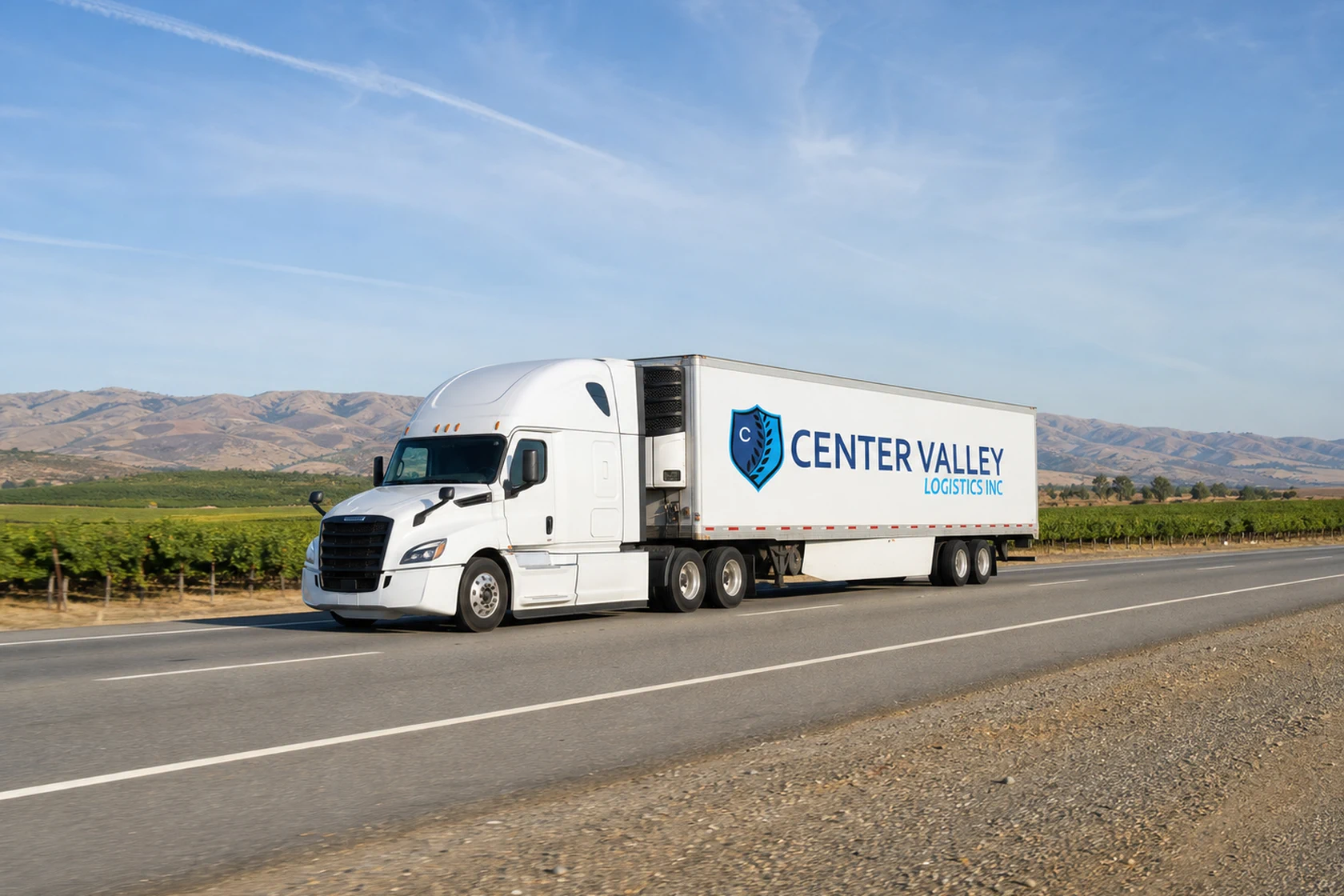
Palletized food freight at an open refrigerated trailer

Frozen freight service

Frozen freight logistics for shipments that require frozen conditions.

Frozen freight should be classified before the rate request. It is different from chilled, fresh, controlled ambient, refrigerated, and dry freight, and the operating plan depends on shipper instructions, product condition, equipment needs, receiver rules, and appointment timing.

  • Frozen
  • Reefer equipment
  • Receiver rules

Service profile

Align mode, equipment, timing, and shipment requirements before capacity is arranged.

Freight fit

Frozen food truckload movements.

Timing pressure

Confirm the requested temperature instructions before dispatch.

Quote essentials

Lane, dates, commodity, equipment, instructions, appointments, and handoff contacts.

Overview

Frozen freight coordinated around equipment, timing, and receiver requirements.

Center Valley Logistics Inc. coordinates frozen freight by defining commodity, loading condition, reefer equipment, written temperature instructions, pickup readiness, delivery appointment, and receiver requirements.

What CVL coordinates

Center Valley Logistics brings the lane, equipment request, freight profile, timing, facility requirements, and shipment contacts into one operating plan before capacity is confirmed.

Mode and equipment fitPickup and delivery timingCommodity and handling instructionsAppointments, handoffs, and exception contacts

Operating challenges

Where this freight gets difficult, and how CVL helps coordinate it.

The most useful logistics work happens at the handoffs: when timing changes, instructions are incomplete, capacity is tight, or several parties need the same answer.

Common pressure points

What can disrupt the movement

  • Frozen and chilled terminology can be confused during quoting.
  • Appointment delays can increase dwell and compress the delivery plan.
  • Receiver instructions may affect loading, delivery, and documentation expectations.
  • Some frozen products may have product-specific requirements that must come from the shipper or receiver.

Coordination response

How CVL structures the next step

  • Distinguishes frozen requirements from fresh, chilled, controlled ambient, and dry freight.
  • Coordinates equipment and timing plans around shipper-provided requirements.
  • Keeps communication centered on appointment windows and exception handling.
  • Links frozen freight planning to reefer and temperature-controlled requirements.

Freight fit

Best fit for frozen food and frozen commodity movements.

Frozen freight planning is useful when the product should be discussed as frozen rather than fresh, chilled, refrigerated, controlled ambient, or dry.

  1. 01

    Frozen food truckload movements.

    Include this detail in the quote request so equipment, timing, and operating expectations are clear.

  2. 02

    Frozen commodities with shipper-provided temperature requirements.

    Include this detail in the quote request so equipment, timing, and operating expectations are clear.

  3. 03

    Appointment-sensitive grocery, foodservice, or distribution shipments.

    Include this detail in the quote request so equipment, timing, and operating expectations are clear.

  4. 04

    Reefer equipment fit where frozen conditions are requested.

    Include this detail in the quote request so equipment, timing, and operating expectations are clear.

Timing and handoffs

Frozen freight timing considerations.

  • Confirm the requested temperature instructions before dispatch.
  • Document pickup and delivery appointment expectations.
  • Use the shipper and receiver instructions to define product-condition expectations.
  • Clarify loading and receiver instructions where provided.

Related freight

Continue through the services and freight topics connected to this load.

Explore related modes, produce regions, commodities, and temperature-controlled services.

Frequently asked questions

Questions shippers ask before quoting this freight.

Final capacity, pricing, transit, and handling depend on the specific shipment profile.

Is frozen freight the same as reefer freight?

Frozen freight may use reefer equipment, but the freight condition is frozen. Reefer describes equipment; frozen describes the product condition or requested handling requirement.

What instructions are needed for frozen product freight?

Provide the product condition at loading, requested setpoint and range, pre-cooling instructions, packaging, seal requirements, transit expectations, receiver appointment, and exception contacts.

Quote this freight

Bring the lane, freight profile, and operating requirements together.

Share origin, destination, dates, commodity, weight, equipment, temperature instructions, appointments, and special handling details for a focused quote.

Freight request

Start with the shipment basics.

Share the shipment basics now. The completed request is sent directly to Center Valley Logistics.

Provide an email address so the team can respond.

Your request will be sent to CVL operations.